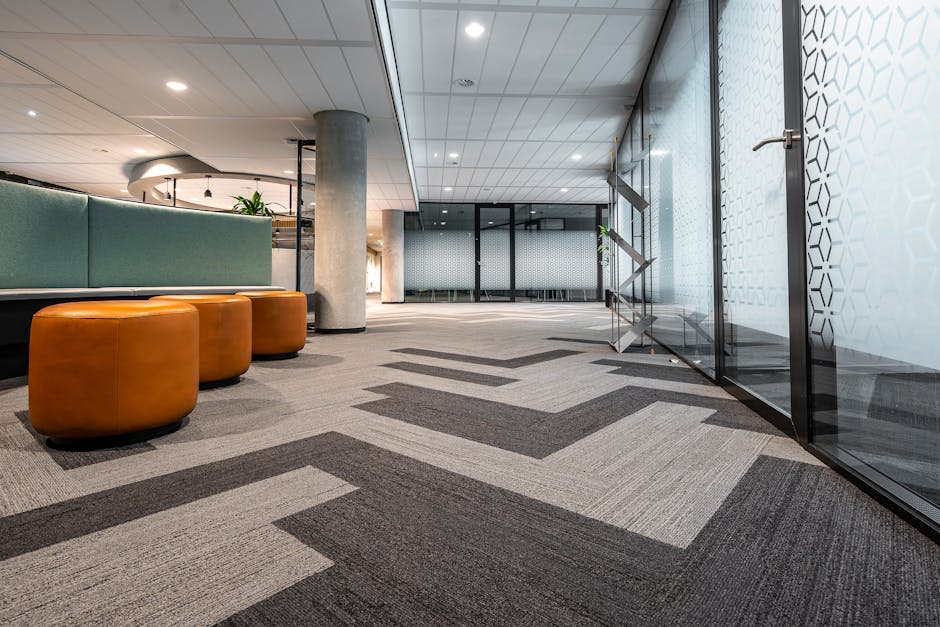
Office carpet cleaning Elephant Park for local businesses
If you run a business in Elephant Park, the condition of your office carpet says more than most people realise. It affects first impressions, day-to-day hygiene, indoor air feel, and even how long your flooring lasts. Office carpet cleaning Elephant Park for local businesses is not just about removing a visible mark before a client meeting; it is about keeping a working space fresh, professional, and easier to manage week after week.
In a busy London setting, carpets take a beating. Foot traffic, coffee spills, winter grit, office snacks, and that one awkward patch by the entrance all build up quietly. Truth be told, it tends to happen faster than people expect. This guide breaks down what office carpet cleaning involves, how it works, what to look for, and how local businesses can make sensible decisions without overpaying or undercaring for the space.
Whether you manage a small studio, a shared office, a retail back office, or a larger commercial premises near Elephant Park, you will find practical advice here. And yes, we will keep it grounded in real-world use, not vague marketing fluff.
Why Office carpet cleaning Elephant Park for local businesses Matters
Let's face it: carpet in a workplace rarely gets the same attention as desks, screens, or reception signage. But it is one of the first things people notice when they walk in. A dull, stained, or musty carpet can make an office feel tired even when everything else is in decent shape. That matters in Elephant Park, where many businesses want a clean, modern, confident look without fuss.
For local businesses, this is partly about presentation and partly about practical upkeep. A clean carpet helps support a better working environment, especially in spaces with constant movement, meetings, deliveries, and regular visitors. Dust, debris, and embedded soil are not just cosmetic problems. Left too long, they can flatten fibres, worsen wear patterns, and make future cleaning harder.
There is also a very human side to it. Staff notice when an office smells fresh and feels cared for. Clients notice too, even if they do not say it out loud. That slight "this place is well looked after" feeling can influence trust more than people admit.
In a place like Elephant Park, where businesses often balance footfall, space constraints, and mixed-use surroundings, carpet maintenance becomes part of routine business care rather than a nice extra. And once a carpet has gone too far, recovery gets more expensive. Better to stay ahead of it.
Key point: regular office carpet cleaning is not just a cleaning task; it is part of asset protection, workplace presentation, and everyday comfort.
How Office carpet cleaning Elephant Park for local businesses Works
Professional carpet cleaning for offices is usually a staged process. The exact method depends on carpet type, soil level, drying window, and whether the area is an open-plan office, corridor, meeting room, or reception area. Most good providers will start with an assessment rather than jumping straight in. That sounds basic, but it matters.
The process often begins with inspection. A cleaner looks at fibre type, existing staining, traffic lanes, adhesive-backed mats, furniture placement, and any spots that need pre-treatment. This first step prevents a lot of avoidable mistakes. Some carpets tolerate hot water extraction very well; others need a gentler approach. Not every floor wants the same treatment, despite what the sales pitch says.
Then comes dry soil removal. This usually means vacuuming with commercial equipment to pull up loose dirt before moisture is introduced. Skipping this bit is a classic shortcut, and a messy one. If dry soil stays in the carpet, cleaning solution can just turn it into slurry.
After that, the cleaner applies a suitable pre-spray or stain treatment. High-traffic office carpets in Elephant Park often need attention around entrances, desks, tea points, and chair paths. Those are the areas where oils and fine grit settle into the pile.
Extraction or encapsulation follows, depending on the chosen method. With steam or hot water extraction, the carpet is flushed and then suctioned to remove embedded soil. With low-moisture cleaning, special compounds capture dirt and are then vacuumed away once dry. Each has its place. Neither is magic, despite the way some brochures talk.
Finally, drying and finishing matter a lot. Fans, ventilation, and sensible timing reduce downtime. In many offices, cleaning is arranged outside peak hours or over a weekend, which keeps disruption lower. By Monday morning, the aim is simple: clean carpet, dry enough to use, no lingering damp smell drifting around the place.
Key Benefits and Practical Advantages
Office carpet cleaning delivers more than a tidy appearance. For local businesses in Elephant Park, the practical gains are often what make it worthwhile.
- Better first impressions: visitors tend to read cleanliness as professionalism.
- Longer carpet life: regular soil removal helps reduce fibre wear and matting.
- Improved hygiene: carpets can trap dust, crumbs, pollen, and other debris.
- Odour control: food, damp weather, and daily use can create a stale feel that cleaning helps reduce.
- Cleaner working environment: staff usually prefer a fresh, tidy space. No surprise there.
- Reduced stain setting: quick treatment often stops minor marks becoming permanent eyesores.
Another benefit that gets overlooked is consistency. A carpet cleaned on a sensible schedule is easier to maintain between cleans. That means less emergency blotting with paper towels and more predictable upkeep. You know the sort of thing: someone spills coffee, half the office pretends not to notice, and then everyone walks around the stain for three months. Regular cleaning avoids that little workplace drama.
There is also a cost-management angle. A carpet that is cleaned appropriately and on time may last longer than one left to deteriorate. That does not mean you will never replace flooring, of course. But it can delay major spend, which businesses usually appreciate.
Who This Is For and When It Makes Sense
This service suits a wide range of local businesses, not just large corporate offices. In Elephant Park and the surrounding area, it is often a smart choice for:
- small professional offices
- shared workspaces and serviced offices
- agencies and creative studios
- retail back offices and customer-facing spaces
- medical-adjacent or consultation rooms, where cleanliness matters to visitors
- landlords and managing agents overseeing commercial units
- hospitality offices or admin spaces with regular staff movement
So when does it make sense to book? Usually when you notice one or more of these signs:
- walkways look darker than the rest of the carpet
- the office smells slightly stale after the heating has been on
- spills or spots are becoming harder to hide
- staff allergies or dust complaints are increasing
- the carpet no longer looks presentable for visitors
- you are preparing for an inspection, a lease handback, or a client event
Sometimes the trigger is not dramatic. It is just that moment when the carpet no longer looks bad exactly, but it also does not look good. That in-between stage is usually the best time to act. Before the problem becomes obvious. Before the pile gets flattened into a permanent traffic map.
Step-by-Step Guidance
If you are planning office carpet cleaning, a structured approach keeps things smooth. Here is the practical version.
- Walk the space first. Note high-traffic areas, stains, and any furniture that should remain in place.
- Identify carpet type. Loop pile, cut pile, tiled carpet, and blended fibres may all respond differently.
- Choose the right method. Hot water extraction suits many carpets; low-moisture methods can be better where drying time is tight.
- Ask about stain pre-treatment. Not all marks respond the same way. Coffee, ink, and tracked-in mud each need a different approach.
- Plan for access and downtime. Cleaning early morning, late evening, or over a weekend may be easiest for offices.
- Protect surrounding areas. Cables, paper stacks, and sensitive equipment should be moved or covered before work begins.
- Allow proper drying time. This part is easy to underestimate. Wet carpet and busy offices do not get along.
- Set a maintenance routine. Once cleaned, keep the result going with vacuuming and prompt spill response.
In our experience, the cleaner the prep, the better the result. A half-hour spent moving a few chairs and clearing corners can make the difference between a rushed clean and a proper one. Small thing, big difference.
Simple rule: if a cleaner has to work around clutter, the job takes longer and the finish usually suffers a bit.
Expert Tips for Better Results
Here are a few practical tips that tend to make office carpet cleaning go better, especially in a busy local business setting.
1. Tackle spills early. Coffee, tea, and oily food spills are easier to remove when fresh. The longer they sit, the more they bond with the fibres. That is just how carpets are, annoyingly.
2. Focus on entrances. Doorways collect grit from the street. In winter especially, the mix of damp, salt, and shoe dirt can do real damage. Entrance mats help, but they are not a complete fix.
3. Rotate attention to traffic lanes. The centre of a corridor and the route to the kitchen area often need more frequent care than low-use corners.
4. Match method to downtime. If your office cannot cope with long drying periods, choose a lower-moisture option where appropriate. If deep soil is the issue, extraction may be worth the extra planning.
5. Ask for realistic expectations. Some stains improve but do not disappear. Honest guidance is better than a promise that sounds too neat. To be fair, good professionals will say that up front.
6. Use vacuuming as maintenance, not a rescue mission. Routine vacuuming is often the best way to preserve freshly cleaned carpet. Waiting until the floor looks visibly dirty is already a bit late.
One more thing: if an office has mixed flooring, it is often worth thinking about carpet cleaning as part of the whole environment rather than a standalone task. Upholstery, rugs, and curtains can hold onto dust too. A cleaner looking room feels cleaner for longer, simple as that.
Common Mistakes to Avoid
Most carpet-cleaning headaches are avoidable. The trouble is, they are usually avoidable in the boring ways people ignore.
- Waiting too long between cleans: embedded grime becomes harder to remove and more likely to damage fibres.
- Using the wrong product: some solutions leave residue or discolour delicate carpet finishes.
- Over-wetting the carpet: too much moisture can lengthen drying time and create odour problems.
- Skipping pre-testing: stain removers should be checked on a small area first where needed.
- Ignoring furniture marks: heavy items can flatten fibres permanently if they are not managed carefully.
- Cleaning without a plan: if people still need to cross the area, the floor can pick up new dirt immediately.
There is also the "one-off only" mistake. A single deep clean can make a carpet look much better, yes, but without maintenance it quickly slides back. Offices are living spaces in their own way. They breathe, collect dust, and gather marks from everyday use. A proper schedule is simply more effective.
And if the carpet is already badly worn? Be honest about that too. Cleaning can improve appearance and hygiene, but it cannot reverse physical damage. Sometimes the right answer is maintenance, sometimes it is replacement, and sometimes it is both in stages.
Tools, Resources and Recommendations
Good results usually come from using the right equipment rather than brute force. For office carpet cleaning, that often includes:
- Commercial vacuum cleaners for dry soil removal and finishing
- Spotting tools for targeted stain treatment
- Hot water extraction machines for deeper soil removal where suitable
- Low-moisture systems for faster turnaround in time-sensitive offices
- Fans or air movers to speed up drying when needed
- Protective pads and floor signs to manage access during and after cleaning
For businesses, the useful "resource" is often a simple housekeeping plan. Nothing glamorous, but effective. For example: vacuum busy areas several times a week, address spills straight away, and book periodic professional cleaning before the carpet starts to look tired. That way, you are not reacting to problems; you are keeping ahead of them.
If your office also uses fabric seating, rugs, or curtains, it may be sensible to coordinate textile cleaning together so the whole space feels consistent. A spotless carpet under dusty chairs can still feel off. Humans notice these things, even if they cannot always explain why.
If you want to understand more about related services and how they fit together, the site's pages on commercial carpet cleaning, general carpet cleaning, and steam carpet cleaning can help you compare options. For office areas with fabric furnishings, upholstery cleaning is worth considering too.
Law, Compliance, Standards, or Best Practice
For local businesses, carpet cleaning is not usually a heavily regulated activity in itself, but there are sensible compliance and best-practice points worth keeping in mind. In the UK, employers still have a duty to keep workplaces reasonably safe and well maintained. That includes avoiding slip risks, controlling excess moisture, and keeping access routes sensible during cleaning.
Professional cleaners should be able to explain how they manage health and safety, what precautions they take around electrical equipment, and how they deal with wet floors, cables, or restricted access areas. If your office has visitors during business hours, clear signage and careful scheduling matter more than people sometimes think.
It is also wise to ask about insurance cover, especially for commercial settings with furniture, IT equipment, or sensitive floor finishes. Accidents are rare, but businesses should still check the basics. That is just sensible due diligence, nothing dramatic.
Good practice also includes:
- using suitable products for the carpet material
- allowing adequate drying before normal use resumes
- keeping walkways clear during the job
- following site-specific instructions for alarms, security, and access
- recording any special stain or damage issues before work begins
If sustainability matters to your company, it can also help to ask how waste water, packaging, and product use are managed. The goal is not perfection theatre. It is careful, low-drama upkeep that fits the way your business operates. More on that can be discussed alongside a broader approach to recycling and sustainability, and the company's health and safety policy and insurance and safety information.
Options, Methods, or Comparison Table
Choosing a carpet-cleaning method often comes down to balancing soil level, drying time, and the kind of office you run. There is no one perfect method for every business, which is mildly inconvenient but true.
| Method | Best for | Strengths | Things to watch |
|---|---|---|---|
| Hot water extraction | Deeper soil, general office carpets, visible grime | Strong cleaning power, good for heavily used areas | Longer drying time, needs proper ventilation |
| Low-moisture cleaning | Busy offices needing faster turnaround | Shorter downtime, easier scheduling | May be less suited to very deep contamination |
| Spot treatment only | Small isolated spills or fresh marks | Quick and targeted | Not enough for overall hygiene or traffic soil |
| Maintenance vacuuming plus periodic deep clean | Most local businesses | Balances cost, appearance, and upkeep | Needs a routine, not just one-off effort |
For many offices in Elephant Park, the best answer is not an either-or decision. It is a layered plan: regular vacuuming, prompt stain removal, and periodic professional cleaning matched to actual use. That approach usually gives the best value without overcomplicating things.
Case Study or Real-World Example
A small consulting office near Elephant Park had a familiar problem. The carpet at reception looked fine at first glance, but the corridor to the meeting room had developed a grey track, and the area by the tea point had a few old coffee marks. Nothing disastrous. Just enough to make the place feel a little less polished.
The team first checked the timing. They had a quiet Friday afternoon and a little breathing room before Monday. The cleaner inspected the carpet type, pre-treated the tea and coffee marks, and used a method suited to the building's limited drying window. Chairs were moved, cables were lifted, and access was managed so nobody stepped back onto damp areas too soon.
By the next working day, the carpet looked brighter, the corridor no longer drew the eye for the wrong reasons, and the office felt noticeably fresher. The real win, though, was that the staff started keeping up with spills faster afterward. That happens quite often. Once a carpet looks cared for, people tend to keep caring for it.
It is a small thing, but in a client-facing office small things carry weight. Nobody sends a thank-you note for a clean corridor. Still, they notice. They absolutely notice.
Practical Checklist
Use this checklist before booking or scheduling office carpet cleaning:
- Identify the main traffic areas and problem spots
- Note any fresh spills, stains, or odours
- Check carpet material if you know it
- Decide whether furniture should be moved in advance
- Choose a time with the least business disruption
- Confirm drying expectations before the job starts
- Ask how entrance areas and corridors will be handled
- Make sure staff know where not to walk during drying
- Review safety steps for cables, equipment, and restricted access
- Set a simple follow-up plan for vacuuming and spill response
Quick take: the best office carpet clean is not just the one that looks good on the day. It is the one that fits your schedule, dries properly, and stays cleaner for longer.
Conclusion
For local businesses, office carpet cleaning in Elephant Park is a practical investment in presentation, hygiene, and long-term carpet condition. It helps reception areas look sharper, makes workspaces feel fresher, and reduces the kind of wear that creeps in slowly and then suddenly looks obvious. The process does not need to be complicated, but it does need to be done thoughtfully.
If you choose the right method, prepare the space properly, and keep up with basic maintenance, you can avoid most of the usual carpet headaches. That means fewer stubborn marks, less lingering dirt, and a better everyday environment for staff and visitors alike. Not flashy. Just solid, sensible business care.
If your carpets are starting to look tired, now is usually the right time to act. A clean office floor has a quiet way of lifting the whole space. And in a busy area like Elephant Park, that calm, well-kept feel goes a long way.
Get a free quote today and see how much you can save.
Frequently Asked Questions
How often should local businesses book office carpet cleaning in Elephant Park?
It depends on foot traffic, office layout, and the type of work you do. Busy client-facing offices usually need more frequent attention than low-traffic back offices. A sensible approach is to assess appearance, odour, and soil build-up rather than waiting for the carpet to look obviously dirty.
What is the best method for office carpet cleaning?
There is no single best method for every office. Hot water extraction works well for deeper soil, while low-moisture cleaning can suit businesses that need quicker drying. The right choice depends on carpet type, usage, and how much downtime you can allow.
Will carpet cleaning disrupt business operations?
It can, but it does not have to cause much disruption if the timing is planned properly. Many businesses choose evenings, weekends, or quieter periods. Good scheduling and drying management make a big difference.
How long does office carpet take to dry?
Drying time varies depending on the cleaning method, airflow, carpet thickness, and room conditions. Some low-moisture methods dry faster, while deeper cleaning may need more time. Proper ventilation helps more than people expect.
Can carpet cleaning remove old coffee stains?
Often it can improve them significantly, especially with the right pre-treatment. However, older stains are harder to remove completely because they may have bonded with the fibres. Honest expectations are important here.
Is professional carpet cleaning better than vacuuming alone?
Yes. Vacuuming is essential for daily or weekly maintenance, but it cannot remove all embedded soil or treated spills. Professional cleaning reaches deeper into the pile and helps reset the carpet's condition.
Does carpet cleaning help with office smells?
It often does, especially if odours come from trapped dirt, spill residue, or general build-up. If the smell is linked to moisture damage or another underlying issue, the cause should be identified separately.
What should I do before the cleaners arrive?
Clear floor space where possible, move sensitive items, and point out any special stains or problem areas. If you can, let staff know which parts of the office will be off limits during drying. A little prep saves a lot of hassle.
Are there health and safety issues with office carpet cleaning?
Yes, mainly around slip risks, wet floors, access, and electrical equipment. Reputable providers should manage those risks carefully and explain their process. That is especially important in busy workplaces with visitors or shared corridors.
How do I choose a carpet cleaning provider for my office?
Look for clear pricing, sensible explanations of cleaning methods, evidence of insurance, and a practical approach to scheduling and safety. If a company sounds vague about drying times or stain expectations, that is usually worth a second look.
Can carpet cleaning extend the life of office flooring?
Usually, yes. Regular removal of grit and embedded dirt helps reduce abrasion and fibre wear. It will not make carpet last forever, of course, but it can definitely help it stay in better condition for longer.
What if my office has mixed flooring and upholstery too?
Then it can make sense to coordinate carpet cleaning with related services for a more consistent result. Many businesses also look at upholstery, rugs, or curtain cleaning so the whole space feels fresher rather than just one part of it.
If you are planning office carpet cleaning Elephant Park for local businesses, the safest next step is usually a straightforward assessment of your space, your timing, and your priorities. Start there, keep it practical, and the rest gets much easier. Sometimes the best business decisions are the quiet ones.