Upholstery Cleaning in Modern Homes: Practical Care, Health Benefits, and Long-Lasting Fabric Protection
Upholstery cleaning is one of the most overlooked parts of home care, yet it plays a major role in keeping furniture attractive, hygienic, and durable. Sofas, armchairs, dining chairs, ottomans, and fabric headboards all collect dust, body oils, food crumbs, pet hair, pollen, and everyday stains. Over time, this buildup can dull the appearance of your furniture and affect indoor air quality. That is why upholstery cleaning is not just about appearance; it is also about comfort, freshness, and maintaining a healthier living space.
Many homeowners search for ways to refresh their furniture without replacing it. The good news is that professional-grade upholstery cleaning and smart home maintenance can restore fabric, reduce odors, and extend the life of your investment. Whether you are dealing with a light dusting of debris or a stubborn wine spill, the right cleaning approach can make a dramatic difference.
In this article, we will look at why upholstery cleaning matters, how different fabric types affect the process, which methods work best, and how to maintain clean furniture for longer. If you have been thinking about upholstery cleaning in your home, this article will help you understand what to expect and how to keep your furniture looking its best.
Why Upholstery Cleaning Matters for Every Home
Furniture may look clean on the surface while hiding dust and allergens deep within the fibers. Over time, upholstery acts like a filter, trapping airborne particles such as pollen, dust mites, pet dander, and fine dirt. Without regular upholstery cleaning, these particles continue to circulate in the room each time someone sits down or shifts cushions.
Another important reason to prioritize upholstery cleaning is preservation. Fabric furniture can be expensive, and replacing it frequently is not practical for most households. Proper care helps protect colors, texture, and structure. A clean sofa or chair not only looks more inviting but also feels better to use every day.
There is also the issue of smell. Spills, sweat, pets, smoke, and food residue can create lingering odors that become embedded in the material. Regular upholstery cleaning removes these sources of smell and leaves furniture feeling fresh. In homes with children or pets, this benefit becomes even more noticeable.
Understanding the Different Types of Upholstery Fabrics
Not all furniture fabrics respond the same way to cleaning. Before starting any upholstery cleaning process, it is important to identify the material. Common upholstery fabrics include cotton, linen, polyester, microfiber, velvet, leather, wool blends, and synthetic mixes. Each one has a different level of durability and moisture tolerance.
Natural fibers such as cotton and linen are breathable and comfortable, but they may absorb stains quickly. Synthetic fabrics, on the other hand, often resist moisture better and are easier to maintain. Velvet and suede require extra care because their texture can be altered if cleaned too aggressively. Leather needs specialized treatment to prevent cracking and dryness.
Fabric labels usually include cleaning codes that help determine the safest method. These codes often indicate whether a material can be cleaned with water, solvent-based products, or only professional care. Reading these labels before upholstery cleaning can prevent damage and help you choose the right method.
Common Cleaning Codes You May See
- W - Water-based cleaners are safe
- S - Solvent-based cleaners only
- WS - Water or solvent cleaners may be used
- X - Vacuum only; professional care is recommended
Signs Your Upholstery Needs Cleaning
Some signs of dirty upholstery are easy to spot, while others are subtle. Visible stains are the most obvious clue, but they are not the only reason to schedule upholstery cleaning. If your furniture looks slightly darker in areas where people sit most often, that is often a sign of oil buildup and embedded dirt.
Odor is another strong indicator. A clean-looking sofa can still carry a stale or musty smell due to hidden debris. If pets frequently use the furniture, the fibers may trap fur, dander, and odors that regular vacuuming cannot fully remove. Allergy symptoms in the home may also point to the need for a deeper cleaning routine.
Faded colors, rough texture, and flattened cushions can also reveal that furniture has been neglected. Upholstery cleaning can often restore a fresher appearance and make the fabric feel softer. In many cases, cleaning the furniture also improves the overall look of the room because the upholstery is one of the largest visual elements in a living space.
Practical warning signs include:
- Visible stains or rings
- Persistent odors
- Dust buildup in seams and crevices
- Pet hair that keeps returning
- Worsening allergy symptoms
- Dull or uneven fabric color
Popular Upholstery Cleaning Methods and How They Work
There are several methods used in upholstery cleaning, and the best one depends on the fabric, the level of soiling, and the type of stain involved. Some methods focus on surface cleaning, while others are designed to reach deeper into the fibers. Choosing the wrong method can damage delicate materials, so matching the process to the fabric is essential.
Vacuuming is the simplest and most important first step. A vacuum with an upholstery attachment can remove loose dirt, crumbs, and pet hair from the surface and from between cushions. This step is often used before any wet or dry cleaning method.
Spot cleaning is useful for small stains. It involves applying a suitable cleaner to the affected area and blotting carefully. The key is to avoid rubbing, which can spread the stain or push it deeper into the fabric. Professional upholstery cleaning services often use targeted spot treatments for difficult stains such as coffee, makeup, or food spills.
Steam Cleaning
Steam cleaning, also known as hot water extraction in some cases, uses heat and moisture to loosen dirt and lift it from the upholstery. This method is effective for many synthetic fabrics and can help remove deep grime. However, it is not suitable for every material, especially those that may shrink or lose shape when exposed to excessive moisture.
Dry Cleaning
Dry cleaning uses minimal moisture and special solvents. It is often preferred for delicate fabrics or materials labeled with an S or X code. Dry cleaning can be an excellent option when upholstery cleaning needs to be done without extended drying times.
Foam Cleaning
Foam cleaning applies a lightly damp foam that lifts dirt without soaking the fabric. It is useful for moderately dirty furniture and can be gentler than some other techniques. Foam cleaning is often chosen when upholstery cleaning is needed for materials that should not become too wet.
Step-by-Step Upholstery Cleaning Process
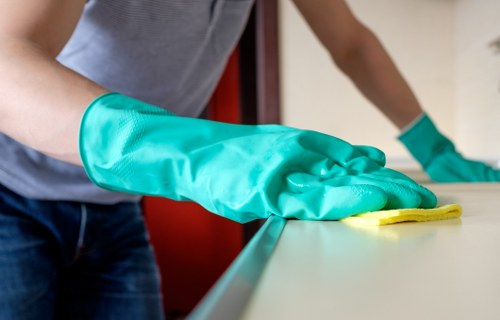
While each fabric may require a slightly different approach, most upholstery cleaning routines follow a similar sequence. Understanding this process helps homeowners know what to expect whether they are cleaning furniture themselves or hiring professionals.
Step 1: Inspect the upholstery. Check the fabric type, labels, stains, and overall condition. This helps determine the safest cleaning method and identifies any areas that need special treatment.
Step 2: Vacuum thoroughly. Remove loose dirt, dust, crumbs, and hair from the surface, seams, buttons, and crevices. This prevents debris from spreading during the rest of the cleaning process.
Step 3: Test cleaning products. Always test a cleaner on a hidden spot before applying it to the entire piece. A small patch test can reveal whether the product causes discoloration or texture changes.
Step 4: Treat stains carefully. Apply the right stain remover and blot gently. Different stains may require different solutions. For example, grease, ink, food, and wine all behave differently on fabric.
Step 5: Clean the full surface. Depending on the material, use steam, foam, dry cleaning solvent, or another approved method. Work evenly to avoid water marks or uneven cleaning.
Step 6: Dry properly. Air circulation is important after upholstery cleaning. Open windows, use fans, or allow ample drying time before using the furniture again.
Stain-Specific Tips
- Coffee and tea: Blot immediately and use a gentle fabric-safe cleaner
- Wine: Act fast and avoid rubbing
- Grease: Use a product designed for oily stains
- Pet accidents: Clean thoroughly to remove both stain and odor
- Ink: Treat carefully with a suitable solvent-based cleaner
Benefits of Professional Upholstery Cleaning
Although some light maintenance can be handled at home, professional upholstery cleaning offers advantages that are difficult to match with basic household tools. Professionals use specialized equipment, industry-approved cleaning solutions, and proven techniques that are designed to treat fabric safely and effectively.
One of the main benefits is deeper soil removal. Over time, dirt builds up below the visible surface, especially in high-use furniture. Professional upholstery cleaning can reach these hidden layers and lift more contaminants than a standard vacuum or consumer spot cleaner. That means cleaner fabric, better appearance, and a fresher indoor environment.
Professional service also helps extend the lifespan of furniture. When dirt and oils remain in the fibers, they can gradually weaken the material. Regular upholstery cleaning reduces this wear and helps preserve the structure and appearance of the upholstery. For families, landlords, and businesses alike, this can lead to long-term savings.
Another advantage is convenience. Furniture can be difficult to clean properly without the right tools, especially large sofas or sectional pieces. A trained cleaner can handle the job efficiently and minimize the risk of damage. For many households, the peace of mind alone makes professional upholstery cleaning worthwhile.
When to Consider Professional Help
- When the fabric has a cleaning code that limits DIY methods
- When stains are old, widespread, or difficult to remove
- When odors persist after normal cleaning
- When the furniture is delicate, expensive, or antique
- When you want to restore heavily used seating areas
For best results, many homeowners schedule upholstery cleaning periodically rather than waiting for visible damage. This preventive approach keeps furniture looking cleaner for longer and reduces the chance of permanent staining.
How Often Should Upholstery Be Cleaned?
The right schedule for upholstery cleaning depends on lifestyle, fabric type, and room usage. A living room sofa in a household with children and pets may need attention more often than a guest room chair that is rarely used. In general, light maintenance should happen weekly, while deeper cleaning may be needed every 6 to 12 months.
High-traffic furniture deserves more frequent care. Seats used daily often collect skin oils, crumbs, dust, and moisture faster than less-used pieces. In homes with allergies, regular upholstery cleaning may improve comfort by reducing dust and other irritants.
Commercial spaces also need a consistent schedule because chairs and lounges are exposed to more users and more wear. Offices, waiting areas, hospitality spaces, and rental properties often benefit from planned upholstery cleaning to maintain a professional image and a clean atmosphere.
General timing suggestions:
- Weekly: Vacuum and remove surface debris
- Monthly: Spot clean small marks and inspect seams
- Every 6-12 months: Deep upholstery cleaning
- As needed: Immediate stain treatment for spills and accidents
DIY Upholstery Cleaning Tips That Help Between Deep Cleans
Home maintenance plays a major role in keeping upholstery in good condition. Even if you plan to book professional upholstery cleaning, a few routine habits can reduce buildup and make each deep clean more effective.
Start with regular vacuuming. Use a soft brush attachment and reach into corners, under cushions, and around seams. This removes dust and crumbs before they settle deeper into the fabric. Turning cushions and rotating them can also help distribute wear more evenly.
Blot spills immediately. The faster you respond, the more likely you are to prevent a permanent stain. Use a clean white cloth rather than colored towels that might transfer dye. Keep a fabric-safe cleaner on hand, but always test it first in a hidden spot. Never oversaturate upholstery, because excess moisture can lead to water marks, mold growth, or fabric shrinkage.
Useful maintenance habits
- Keep food and drinks away from fabric furniture when possible
- Use washable throws or covers in busy households
- Brush pet hair off before it settles deeply into fibers
- Keep furniture away from direct sunlight to reduce fading
- Address spills right away instead of letting them dry
Choosing the Right Upholstery Cleaning Service
If you decide to hire a professional, it is worth choosing a service that understands fabric types, stain behavior, and safe cleaning chemistry. Not every company uses the same tools or methods, so asking the right questions can help you get better results. The best upholstery cleaning providers will evaluate the material first and choose a method that fits the furniture rather than forcing a one-size-fits-all approach.
You should also look for clear communication about drying time, stain treatment, and fabric safety. A trustworthy service will explain what can realistically be removed and what may improve but not disappear entirely. That level of honesty matters because it helps you make informed decisions about your furniture care.
Experience with specialty fabrics can be especially important. Velvet, silk blends, leather, and antique upholstery require more careful handling than standard synthetic seating. A provider that offers tailored upholstery cleaning is more likely to protect the piece while improving its appearance.
Questions worth asking before booking:
- What upholstery cleaning methods do you use?
- Can you treat this fabric type safely?
- How long will drying take?
- Do you offer stain-specific treatment?
- What results should I expect for old stains or odors?
Why Upholstery Cleaning Supports a Healthier Indoor Environment
Clean furniture contributes to a cleaner home overall. Upholstery acts as a landing place for airborne particles, so regular care can help reduce the amount of debris recirculating through the air. This is especially important for allergy sufferers, households with pets, and families with young children who spend a lot of time sitting on sofas and chairs.
Another health-related advantage is odor reduction. Smells from cooking, pets, moisture, and sweat can cling to fabric long after they are noticed. Upholstery cleaning removes much of the residue that causes these odors, making rooms feel fresher and more comfortable. It can also improve the impression your home makes on guests because the space feels cleaner and better maintained.
From a hygiene perspective, furniture that is cleaned regularly is less likely to harbor stubborn buildup in high-contact zones. Armrests, cushions, and headrests are touched frequently and can accumulate oils and grime quickly. By maintaining these areas with routine upholstery cleaning, you support both cleanliness and comfort.
Fresh upholstery can transform the feel of a room. Even when walls, flooring, and décor are in good condition, tired-looking fabric can make a space seem older than it is. Restoring the upholstery often produces an immediate visual improvement.
Final Thoughts on Upholstery Cleaning
Upholstery cleaning is one of the most effective ways to protect your furniture, improve indoor freshness, and support a cleaner living environment. Whether you rely on simple maintenance at home or prefer the benefits of professional care, consistent attention makes a noticeable difference. Clean upholstery looks better, feels better, and lasts longer.
By understanding fabric types, recognizing warning signs, and using the right cleaning methods, you can keep your chairs, sofas, and other upholstered pieces in excellent condition. Regular care also reduces odors, helps remove allergens, and preserves the appearance of your home.
If your furniture is overdue for attention, now is a smart time to act. Contact us today or book your service now to refresh your upholstery and enjoy a cleaner, more comfortable space. With the right upholstery cleaning approach, your furniture can look inviting again and continue serving your home for years to come.